
Grieving Without a Funeral
The loss of a loved one is already emotionally overwhelming. In the days immediately following a death, many families find themselves facing difficult decisions at a time when clarity and energy are in short supply. The expectation of planning a funeral—on a tight timeline, with many moving parts—can add stress to an already heavy moment.
For this reason, more families choose direct cremation as a simple, dignified way to care for their loved one. Direct cremation removes urgency and complexity, giving families space to grieve on their own timeline. While there may be no formal funeral service, choosing simplicity does not mean giving up remembrance, meaning, or connection.
Is a Funeral the Only Way to Say Goodbye?
A traditional funeral often includes a viewing or service held shortly after death, usually with the body present. For some families, this structure feels comforting and familiar. For others, it can feel rushed, impersonal, or misaligned with their emotional needs. It could even go against the wishes of the person who has died.
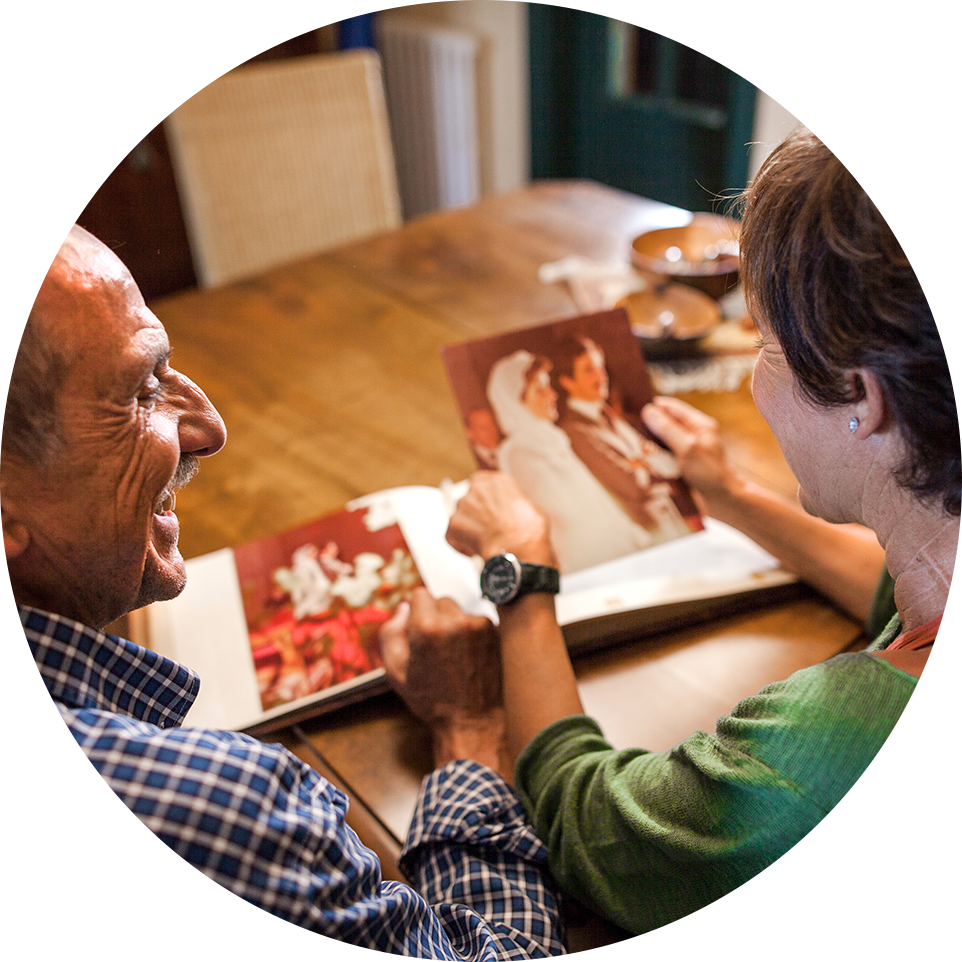
Grief does not follow a schedule, and it doesn’t require a formal ceremony to be real or valid. Many families find that removing the pressure of a funeral allows them to grieve in ways that feel more honest and supportive.
Direct cremation offers flexibility. Once cremation has taken place, families are free to decide if, when, and how they want to gather and remember their loved one.
Finding Meaning Without a Formal Service
For some, remembrance happens quietly and privately. It may look like lighting a candle at home, sharing stories over dinner, or spending time in a place that held special meaning for the person who died. Others choose to write letters, create memory books, or mark anniversaries in personal ways.
There is no requirement that remembrance happen publicly, immediately, or at all. Some families find comfort in delaying any gathering until emotions have settled. Others never feel the need for a formal event—and that, too, is okay.
What matters is not the structure, but the intention: honoring a life in a way that feels right to you.
Memorials Held on Your Terms
Many families who choose direct cremation eventually hold a memorial service or celebration of life weeks or even months later. This can relieve pressure during the most intense period of grief and allow more thoughtful planning.
A memorial can take many forms:
- A small gathering of close friends and family
- A picnic in a favorite park
- A shared meal at home
- A quiet moment of ash scattering in a meaningful place
Because there is no need to coordinate around burial timelines or funeral home schedules, families are free to choose the timing, location, and tone that best suits them.
Informal Remembrance Can Be Powerful
Not every meaningful goodbye looks like a ceremony. Informal acts of remembrance are often deeply personal and emotionally resonant. These moments may never feel like an “event,” yet they can provide comfort and connection in ways a traditional funeral might not.
Some families find that grief unfolds gradually. Meaning shows up in conversations, traditions, or quiet reflection. Others find healing through creative expression, charitable acts, or simply spending time together.
Choosing Simplicity
When considering arrangements for a loved one, it can help to remember that remembrance is for the living. The process should support those who are grieving—not overwhelm them.
If you have questions, need guidance, or simply want to talk through your options, compassionate support can make the process feel less daunting. Planning does not have to be complicated to be thoughtful, and simplicity can be a source of comfort during loss.
If you’re ready to get started or need help understanding your options, reach out to CremationSociety.com by calling 800-922-7773.